

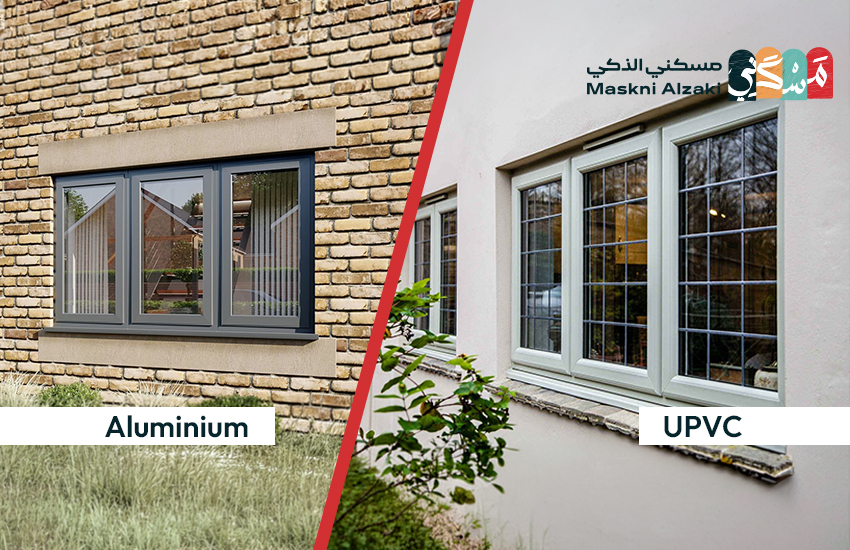
Choosing the right window system in Saudi Arabia has a direct impact on indoor comfort, energy consumption, and long-term maintenance. The most common comparison homeowners and developers make is between UPVC windows and aluminum windows. While both options are widely available in the Kingdom, their performance differs significantly under Saudi climate conditions.
Based on installation and post-use experience across residential and commercial projects, UPVC windows consistently deliver better results for long-term use in Saudi Arabia.
Performance in Extreme Heat
Heat resistance is one of the most critical factors when selecting windows in Saudi Arabia. Aluminum is a metal and naturally conducts heat. During summer months, aluminum frames absorb external heat and transfer it indoors, increasing reliance on air-conditioning.
UPVC, on the other hand, is a non-conductive material. UPVC windows act as a thermal barrier, reducing heat transfer from outside to inside. In real projects, properties fitted with UPVC windows maintain more stable indoor temperatures compared to aluminum systems. This directly improves comfort and reduces energy consumption.
Energy Efficiency and Electricity Costs
Energy efficiency is no longer optional in Saudi buildings. Continuous air-conditioning leads to high electricity bills, especially in villas and large residential units.
UPVC windows improve energy efficiency by minimizing air leakage and heat gain. Their multi-chamber profiles and tight sealing systems help retain cooled air inside the building. Aluminum windows, even with thermal breaks, often lose efficiency over time due to expansion and sealing gaps.
From practical observation, homes with UPVC windows show noticeable reductions in cooling demand compared to those using aluminum windows.
Dust, Sand, and Air Sealing
Dust and sand are common challenges across Saudi Arabia. Window systems must prevent external particles from entering indoor spaces.
UPVC windows provide stronger sealing because the frames close with uniform pressure around the sash. This reduces gaps where dust and sand can enter. Aluminum windows, particularly sliding systems, often allow dust infiltration due to weaker sealing and frame movement over time.
This difference becomes especially noticeable in desert regions and high-wind areas.
Noise Reduction and Indoor Comfort
Noise pollution is increasing in Saudi cities due to traffic and urban development. Window selection plays a major role in sound control.
UPVC windows offer better acoustic insulation because of their sealing design and compatibility with double or laminated glass. Aluminum windows transmit more vibration, which allows outside noise to pass through more easily.
In residential areas near main roads, UPVC windows significantly improve indoor quietness, particularly in bedrooms and living spaces.
Durability and Maintenance Over Time
Aluminum windows are prone to surface wear, fading, and corrosion, especially in coastal cities where humidity and salt exposure are common. Hinges and rollers also require frequent maintenance.
UPVC windows resist corrosion, do not rust, and maintain their appearance for many years. They require minimal maintenance and do not need repainting or surface treatment. From long-term use, UPVC windows retain functionality and appearance better than aluminum systems.
Design Flexibility and Appearance
Aluminum windows are often chosen for their slim profiles and modern look. However, UPVC technology has advanced significantly and now offers a wide range of colors, finishes, and frame styles.
UPVC windows can match both modern and traditional Saudi architectural designs while delivering better performance. This makes them a balanced choice for aesthetics and functionality.
Long-Term Value for Saudi Homes
When initial cost, energy savings, maintenance, and comfort are considered together, UPVC windows provide better long-term value than aluminum windows. Although aluminum may appear cost-effective initially, higher energy costs and maintenance reduce its overall efficiency over time.
UPVC windows offer a stronger return on investment for Saudi homeowners and developers who prioritize performance and durability.
Let’s Talk — Get Your Quote Fast
Need pricing, drawings, or quick product guidance? Contact Maskni Alzaki and we’ll respond with a tailored quotation and technical support.
Why Maskni Recommends UPVC Windows
At Maskni, recommendations are based on real performance, not trends. UPVC windows consistently meet Saudi climate demands better than aluminum systems. Our experience across different regions confirms that UPVC windows deliver superior insulation, comfort, and longevity.
We guide clients toward solutions that perform well beyond installation day.
Making the Right Choice
Both UPVC and aluminum windows are available in Saudi Arabia, but their performance differs significantly under local conditions. For projects that prioritize comfort, energy efficiency, and low maintenance, UPVC windows remain the better option.
Contact Maskni for a professional consultation to determine the most suitable window system for your property.

