

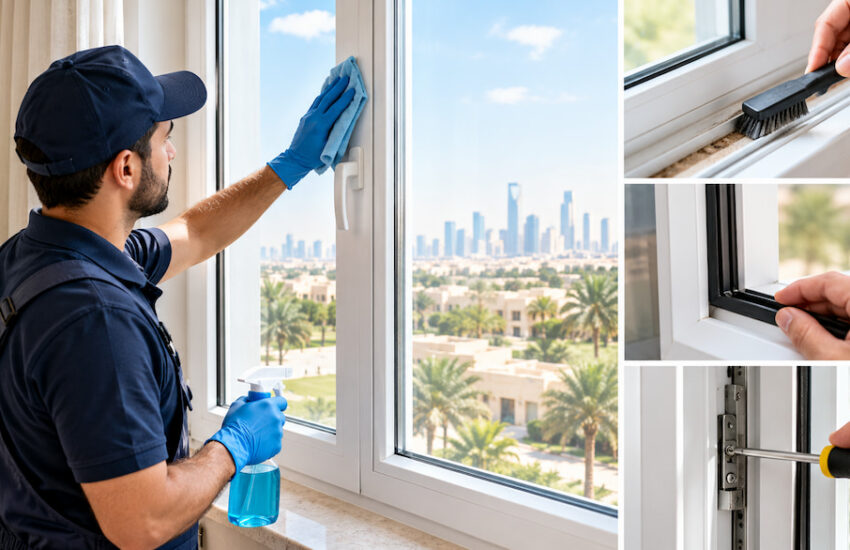
uPVC windows are a practical choice for Saudi homes because they offer insulation, weather resistance and relatively low maintenance. However, Saudi Arabia’s climate creates specific challenges for every window system. Fine desert dust can accumulate in tracks and hardware, intense sunlight exposes frames and seals to prolonged UV radiation, and coastal humidity and salt can affect metal components around windows.
Although uPVC does not require regular painting like timber, it still needs proper care to maintain smooth operation, effective sealing and an attractive appearance. For homeowners, property managers and villa developers, a simple maintenance routine can help extend the service life of windows and reduce the likelihood of avoidable repairs.
This guide explains how to maintain uPVC windows in Saudi Arabia, with practical advice for properties in Riyadh, Jeddah, Dammam, Khobar and other regions with different environmental conditions.
Why uPVC Windows Need Climate-Specific Maintenance in Saudi Arabia ?
Saudi Arabia’s weather varies by region, but heat, dust and strong sunlight are common considerations. During summer, exterior window surfaces may become significantly hotter than the surrounding air. Dust can enter moving components when windows are frequently opened, while poorly maintained seals may allow unwanted air infiltration.
Coastal properties face additional challenges. In Jeddah, Dammam and Khobar, humid air and airborne salt can affect exposed hinges, handles, screws and other metal fittings, depending on their material and protective finish. These conditions do not mean uPVC windows are unsuitable for coastal environments. They mean that the quality of the hardware and the maintenance routine deserve particular attention.
The most important maintenance principle is to clean windows using suitable materials, inspect the components that create the seal, and address small operating problems before they become more expensive repairs.
How to Clean uPVC Window Frames Without Damaging Them ?
Routine cleaning helps prevent dust from becoming embedded in the frame surface. For most uPVC windows, a soft cloth, lukewarm water and a small amount of mild, non-abrasive detergent are sufficient. Wipe the frame gently, then rinse away detergent residue with clean water and dry the surface using a soft cloth.
Avoid abrasive scouring pads, harsh solvents, strong acidic cleaners and products that are not approved for uPVC. These can dull the finish, damage the surface or affect the appearance of decorative coatings. Before using a new cleaning product, check the window manufacturer’s care instructions and test it on a small, inconspicuous area if permitted.
In dusty areas, including parts of Riyadh and central Saudi Arabia, cleaning may be needed more frequently during periods of dust or sandstorms. Instead of rubbing dry dust across the frame, remove loose particles gently first. This reduces the risk of scratching the surface, especially on darker or textured finishes.
Do not use high-pressure water jets around window seals, drainage openings or joints. Excessive pressure can force water into areas that are not designed for direct high-pressure cleaning.
Cleaning Window Tracks and Drainage Channels ?
Window tracks are among the most important areas to maintain, particularly on sliding uPVC windows. Fine sand and dust can collect inside the tracks, increasing friction and making the sash harder to move. Over time, accumulated debris can also interfere with drainage openings.
Start by vacuuming loose dust from the track with a suitable narrow attachment. Use a soft brush to remove particles from corners and difficult-to-reach areas, then wipe the track with a damp cloth. Ensure that drainage channels and weep holes remain clear, following the manufacturer’s guidance.
Never block drainage openings with sealant, paint or cleaning residue. These openings help water escape from the frame system. If water remains inside the track after cleaning or appears around the interior of the window during rain or washing, the drainage system may be obstructed or another installation issue may be present.
Casement and tilt-and-turn windows also benefit from regular cleaning around hinges, corners and moving joints. Their maintenance requirements differ from sliding systems, so homeowners should follow the instructions provided for the specific window design.
Inspecting uPVC Window Seals and Gaskets ?
Weather seals are essential to window performance. They help limit air leakage, reduce dust entry and support resistance to water penetration when the complete window system is correctly designed and installed.
Inspect the rubber gaskets around the sash and frame for visible gaps, displacement, cracking or signs of deterioration. Close the window and check whether the sash sits evenly against the frame. If you notice persistent draughts, unusual dust entry around the edges or water penetration, the cause may involve damaged seals, incorrect adjustment, installation defects or another part of the window assembly.
Do not apply household oils, petroleum-based products or random lubricants to rubber gaskets. Some substances can damage sealing materials. Use only products recommended by the manufacturer, and replace worn gaskets with compatible components rather than trying to compensate for damage with excessive sealant.
It is also important to distinguish between a maintenance issue and a product-performance problem. If a relatively new window allows substantial dust or air through its closed perimeter, a professional inspection may be needed to check alignment, locking pressure, seals and installation quality.
Protecting uPVC Windows from Intense Sunlight and Heat ?
uPVC windows are commonly selected for their low-maintenance characteristics, but performance depends on the quality of the profiles, reinforcement, hardware, glazing and installation. Prolonged exposure to strong sunlight can place additional demands on the entire window assembly.
Keep frames clean so that dust and residue do not build up on the surface. Avoid covering windows with materials or applying coatings that the manufacturer has not approved. If the windows have coloured or laminated finishes, follow the specific care instructions because cleaning requirements can vary by finish.
For homes with large windows facing strong afternoon sun, suitable shading can help manage indoor heat gain. External shading, correctly designed overhangs, blinds and curtains may complement the performance of the glazing system. However, shading should not obstruct required ventilation or interfere with window operation.
If a window becomes difficult to close during hot weather, do not immediately force the handle or adjust the hardware yourself. Temperature changes can affect the dimensions of materials and the alignment of moving components, but resistance can also indicate a problem with hinges, rollers, locking points or installation. A qualified technician can identify the cause and make the appropriate adjustment.
Let’s Talk — Get Your Quote Fast
Need pricing, drawings, or quick product guidance? Contact Maskni Alzaki and we’ll respond with a tailored quotation and technical support.
Maintaining Hinges, Handles, Rollers and Locking Mechanisms ?
Moving components should operate smoothly without excessive force. Open and close each window periodically to check for grinding noises, stiffness, loose handles or uneven movement. Pay particular attention to sliding rollers, casement hinges, tilt-and-turn mechanisms and multipoint locking systems.
Dust and sand should be removed before applying any lubricant. Use only the lubricant specified by the window or hardware manufacturer, since different mechanisms may require different products. Avoid over-lubricating components because excess lubricant can attract dust and create a buildup that interferes with operation.
In coastal locations such as Jeddah, Dammam and Khobar, inspect exposed hardware for corrosion, discolouration or deteriorating protective finishes. Gently cleaning and drying suitable surfaces can help remove salt residue, but the correct procedure depends on the hardware material. If corrosion is visible, arrange an inspection to determine whether the component needs replacement.
Never force a locked window or use excessive pressure to move a stiff sash. Doing so may damage the handle, locking points or frame. If the window does not close properly after the track and accessible components have been cleaned, professional adjustment is the safer option.
How Often Should You Maintain uPVC Windows?
The right schedule depends on local exposure, how frequently the windows are used and whether the property is close to construction activity, open desert areas or the coast. The following routine provides a useful starting point, but the manufacturer’s maintenance instructions should take priority.
| Maintenance task | Suggested frequency |
| Remove dust from frames and glass | Every 2–4 weeks, or more often in dusty conditions |
| Clean sliding tracks and accessible drainage channels | Monthly, and after heavy dust events |
| Check handles, hinges and locking operation | Every 1–3 months |
| Inspect seals and gaskets | Every 3–6 months |
| Check coastal hardware for salt residue or corrosion | Monthly in exposed coastal locations |
| Arrange a professional inspection | As needed, or according to the manufacturer’s schedule |
These intervals are general recommendations, not fixed requirements for every product. Windows exposed to frequent sandstorms or marine conditions may need more attention, while sheltered properties may require less frequent cleaning.
Common uPVC Window Maintenance Mistakes to Avoid ?
One common mistake is using strong chemicals to remove stubborn marks. A cleaner that works on glass or ceramic surfaces may not be suitable for uPVC frames, rubber seals or coated hardware. Always use compatible cleaning products.
Another mistake is neglecting drainage channels because the outside of the window appears clean. Blocked drainage can contribute to water retention and leakage problems. Tracks, corners and drainage openings should be included in the routine.
Homeowners should also avoid drilling into frames, applying unapproved sealants or attempting to adjust complex locking systems without the correct knowledge. These actions may affect drainage, weather resistance, security or the manufacturer’s warranty.
Finally, do not assume that every problem can be solved through cleaning. Persistent condensation between panes, damaged glazing, repeated water ingress, cracked profiles or severely corroded hardware may require professional assessment or replacement of a component.
When Should You Call a uPVC Window Specialist?
Professional support is advisable when a window repeatedly becomes difficult to operate, no longer locks securely, allows water to enter during normal weather conditions or shows visible damage to the frame or glazing. An expert can inspect the installation, check hardware alignment, assess seals and identify whether a repair or replacement is appropriate.
Condensation also needs careful diagnosis. Moisture on the room-facing glass surface may be associated with indoor humidity and cold glass surfaces, whereas condensation trapped between double-glazed panes can indicate a failure of the sealed glazing unit. These are different problems and require different solutions.
If several windows in a property experience similar issues, it may be worth assessing the installation and product specifications rather than treating each window as an isolated case. For villa owners and developers, documenting the issue, the affected windows and the conditions under which it occurs can help a technician diagnose the problem more efficiently.
Choosing Low-Maintenance uPVC Windows for Saudi Properties ?
Maintenance begins with the original product selection. Quality uPVC profiles, suitable reinforcement where required, reliable hardware, compatible gaskets and correctly specified glazing all contribute to long-term performance. Installation is equally important because even a good window can underperform if it is poorly aligned, inadequately sealed or installed without appropriate drainage details.
For inland locations, dust resistance, effective perimeter seals and easy-to-clean track designs are useful considerations. In coastal locations, ask about corrosion-resistant hardware and the suitability of the specified components for the property’s exposure. For windows receiving intense direct sunlight, consider the overall glazing and shading strategy rather than evaluating the frame material alone.
When comparing suppliers, ask for information about profile construction, glazing options, hardware specifications, warranty coverage and recommended maintenance. A clear maintenance guide and access to compatible replacement parts can also make ownership easier over time.
For Saudi villas, the goal is not simply to choose a window that requires little attention. It is to choose a complete window system that suits the local climate, is installed correctly and can be maintained using clear, practical procedures.
Frequently Asked Questions
Conclusion
Maintaining uPVC windows in Saudi Arabia does not need to be complicated. Regularly removing dust, cleaning tracks, keeping drainage channels clear, inspecting seals and checking hardware can help windows operate smoothly and maintain their weather resistance. Properties in dusty inland areas may need more frequent track cleaning, while coastal homes should pay particular attention to exposed metal components.
For lasting performance, maintenance must work alongside suitable product selection and professional installation. Choosing a window system designed for the property’s exposure, following the manufacturer’s care instructions and addressing problems early can help homeowners protect their investment over time.

